Breastfeeding Hydration: How Much Water Should You Drink?
- Breastfeeding increases your body's fluid requirements, but there is no single amount of water that is right for every breastfeeding mother.
- Australian Nutrient Reference Values set a population-level adequate intake of about 3.5 litres of total water per day for lactating women aged 19-50, including about 2.6 litres from fluids.
- Drinking excessive amounts of water does not automatically increase your breast-milk supply.
- This article provides general information and does not replace advice from your health professional.
On this page ▾
On this page ▾
Breastfeeding increases your body's fluid requirements, but there is no single amount of water that is right for every breastfeeding mother. Your needs can change with the weather, your activity level, your diet and whether you are losing fluid through sweating, vomiting, diarrhoea or fever.
Australian Nutrient Reference Values set a population-level adequate intake of about 3.5 litres of total water per day for lactating women aged 19-50. This includes about 2.6 litres from fluids, with the remainder usually coming from food. These figures are general reference values, not individual prescriptions.
Drinking enough to satisfy your thirst supports your health and comfort. However, drinking excessive amounts of water does not automatically increase your breast-milk supply.
This article provides general information and does not replace advice from your health professional.
How much water should you drink while breastfeeding?
Most breastfeeding adults aged 19-50 can use approximately 2.6 litres of fluids per day as a general reference point. This is about 10 to 10½ metric cups.
The larger figure of 3.5 litres refers to total water, which includes water obtained from:
- Plain drinking water
- Milk and other beverages
- Soups and broths
- Fruit and vegetables
- Other foods containing moisture
Everyday Australian advice is sometimes rounded to approximately 2.5 litres of fluid per day for a breastfeeding mother. You might need more during hot or humid weather, when exercising or when losing fluid through illness.
These numbers should not be treated as a compulsory target that applies to everyone. The Australian nutrient reference values also note that there is no single water intake that guarantees adequate hydration for every healthy person.
Your fluid needs may be affected by:
- Your body size and diet
- How much breast milk you are producing
- Temperature and humidity
- Physical activity and sweating
- Illness and health conditions
A practical approach is to drink regularly, respond to thirst and increase your attention to fluids when you are losing more water than usual.
Do you need to drink more water when breastfeeding?
You generally need more total fluid while breastfeeding than you did before pregnancy because water is used in the production of breast milk.
This does not mean that you must calculate the exact volume of milk your baby drinks and replace it with the same volume of plain water. Your body also obtains water from food and other beverages, and individual requirements vary.
Many mothers notice that they become thirsty during or immediately after a breastfeed. The Australian Breastfeeding Association recommends drinking enough to quench your thirst and notes that keeping a glass or bottle of water nearby can make this easier.
You do not have to drink during every feed. It is simply a convenient habit when feeding sessions make it difficult to get up and find a drink.
How to stay hydrated while breastfeeding
The best hydration routine is one that makes regular drinking easy without forcing unnecessary fluid.
Keep water within reach
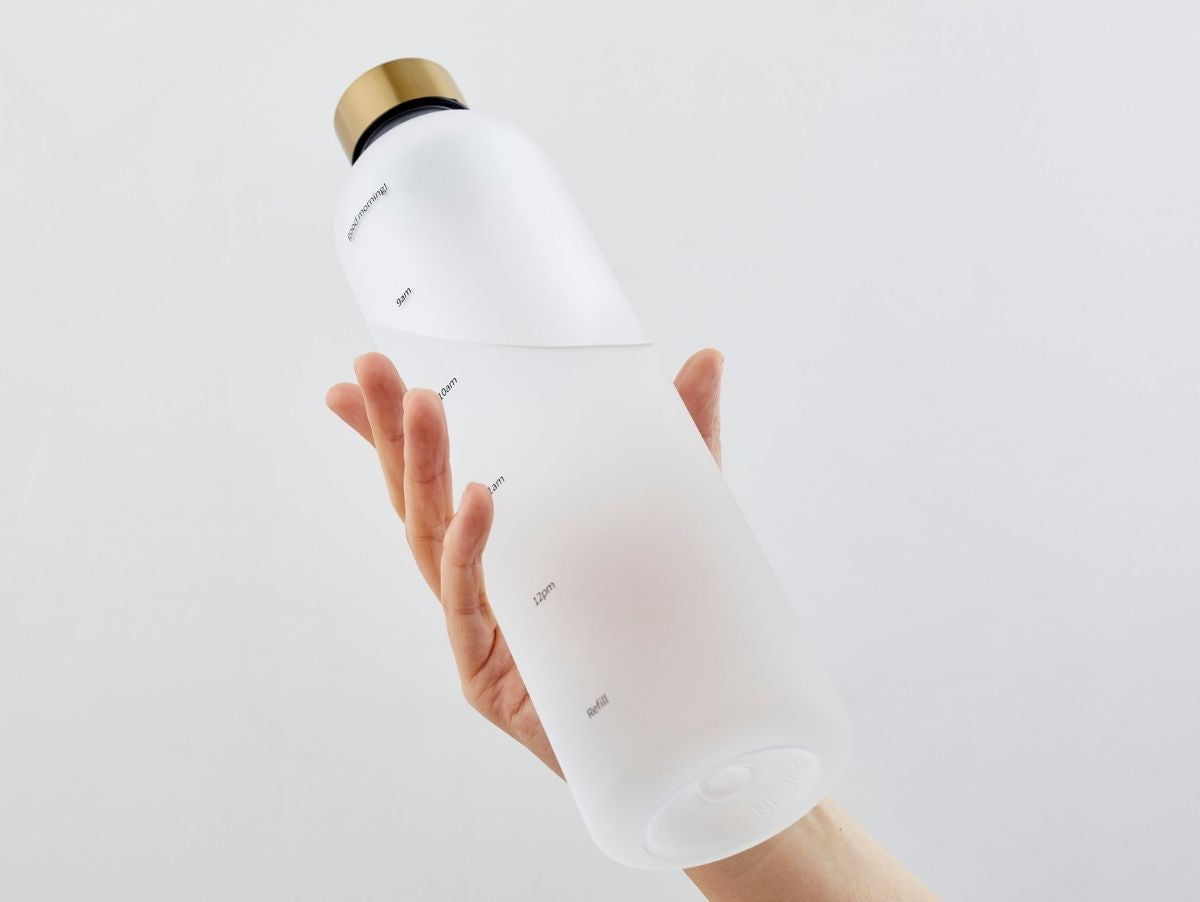
Place a reusable bottle or glass of water where you usually breastfeed, express milk or settle your baby.
A bottle with a straw or easy-open lid can be useful when one hand is occupied, but the bottle itself does not improve hydration. What matters is that it helps you drink when you are thirsty.
You might keep water:
- Beside your usual feeding chair
- On your bedside table
- Near your breast pump
- In your pram or nappy bag
- At your desk if you have returned to work
Drink regularly across the day
Drinking smaller amounts regularly may be more comfortable than trying to consume a large volume at once.
Useful habits include:
- Having a drink with meals and snacks
- Drinking before leaving the house
- Refilling your bottle at predictable times
- Having water available during overnight feeds
- Drinking after exercise or time outdoors
Include water-rich foods
Food contributes to total water intake. Examples of foods with a high water content include:
- Watermelon and other melons
- Oranges and berries
- Cucumber
- Tomatoes
- Lettuce
- Yoghurt
- Soups
- Stews
These foods can contribute fluid, but they do not eliminate the need to drink.
For the wider picture, see the Breastfeeding Nutrition Guide.
Adjust for heat, exercise and illness
You may need additional fluid when you:
- Sweat heavily
- Exercise
- Spend time in hot or humid weather
- Have an illness
- Experience vomiting or diarrhoea
- Eat less than usual because you are unwell
During hot weather, keep water nearby and drink to thirst. Australian breastfeeding guidance also recommends offering an exclusively breastfed baby more frequent feeds rather than routine additional water before six months.
Does drinking more water increase breast-milk supply?
Drinking enough fluid supports your normal health, but drinking beyond your needs has not been shown to reliably increase breast-milk production.
A Cochrane review found insufficient reliable evidence that drinking beyond physiological needs increases milk production. Its only included study was low quality and reported no increase in measured milk production.
Breast-milk production is strongly influenced by how frequently and effectively milk is removed from the breast. Frequent, effective feeding supports milk production.
When milk supply or infant intake is a concern, a health professional can assess factors such as:
- Feeding frequency
- Attachment and positioning
- Effective sucking and swallowing
- Milk transfer
- Whether the baby is waking and feeding actively
- Weight and growth
- Pump fit and technique, when expressing
Low pump output does not necessarily mean you have a low milk supply. A pump may remove milk differently from a well-attached baby.
Maternal thirst does not, by itself, show how much milk a baby is transferring. Assess feeding and hydration concerns separately.
What happens if you do not drink enough water while breastfeeding?
Not drinking enough fluid can lead to dehydration, particularly if you are also losing fluid through heat or illness.
Possible signs of mild dehydration include:
- Thirst
- A dry mouth, lips or tongue
- Darker urine
- Urinating less often
- Headache
- Dizziness or light-headedness
- Tiredness
These symptoms can have causes other than dehydration, so if you have these symptoms speak with a health professional.
Can dehydration reduce your milk supply?
Dehydration may interfere with normal body function.
The practical message is:
- Maintain normal hydration.
- Do not force more fluid solely to increase supply.
- Address attachment, feeding frequency and milk removal when supply is a concern.
- Seek breastfeeding support when your baby appears to be transferring too little milk.
The Australian Breastfeeding Association advises mothers to drink enough to quench thirst and states that drinking more than needed will not increase milk supply.
Can you drink too much water while breastfeeding?
Yes. More water is not always better, and breastfeeding does not require you to drink continuously or force yourself to meet a target. Drinking should be spread throughout the day and guided by thirst, normal eating and drinking patterns, environmental conditions and professional advice where relevant.
Speak with your health professional if you experience persistent thirst, unusually frequent urination or a need to drink more than usual.
What are the best drinks for breastfeeding hydration?
For everyday hydration, plain water is generally the simplest and most appropriate choice. Other foods and beverages can contribute fluid, but they may also introduce sugar, caffeine, sodium or other ingredients.
Water
Plain tap or bottled water provides fluid without added sugar or caffeine.
Cold, room-temperature and warm water all hydrate you. There is no established breastfeeding advantage to drinking water at a particular temperature.
Milk
Milk contributes fluid and also provides nutrients such as protein and calcium. Whether it suits you depends on your dietary preferences, allergies and tolerance.
Soup and broth
Soup and broth contribute both fluid and sodium. They can be useful as part of a meal, particularly when appetite is lower, but very salty varieties might not be suitable for everyone.
Sparkling water
Plain sparkling water can contribute to hydration in the same way as still water. Check flavoured varieties for added sugar, sweeteners or caffeine.
Tonic water is different from plain sparkling water because it may contain quinine and added sugar. Treat it as a separate product rather than assuming all carbonated waters are equivalent.
Coffee and tea
Coffee and tea contribute fluid but also contain caffeine.
Food Standards Australia New Zealand advises breastfeeding women to consume no more than 200 milligrams of caffeine per day from all sources. Formulated caffeinated beverages, including many energy drinks, carry prescribed caffeine advisory statements.
Caffeine amounts vary between products and serving sizes, so check labels rather than counting drinks alone.
Sugary drinks
Soft drinks, fruit drinks and many sports drinks can provide fluid, but they may contain significant amounts of sugar. They are not usually required for everyday breastfeeding hydration.
Herbal and infused water
Lemon water is essentially water with lemon and can be consumed if it agrees with you. However, products containing herbs, concentrated extracts or multiple active ingredients require more care.
Do not assume that an ingredient is suitable. Check concentrated herbal products with a health professional.
Is coconut water good while breastfeeding?
Coconut water can be consumed as an optional drink while breastfeeding, but it is not necessary for milk production or normal hydration.
Its relevant attributes include:
- Water
- Naturally occurring sugar
- Potassium and other electrolytes
- Product-specific additives
Plain coconut water may be suitable when you enjoy the taste and it fits within your diet. Coconut-water composition varies by product.
Check the label for:
- Added sugar
- Serving size
- Energy content
- Added flavours
- Caffeine or herbal ingredients in blended products
For everyday hydration, coconut water is an alternative beverage rather than a replacement for all plain water.
Do you need electrolytes or hydration powder while breastfeeding?
Most healthy breastfeeding mothers do not need a hydration powder or electrolyte drink for ordinary daily hydration.
Electrolytes may become more relevant when you have lost substantial fluid and salts through:
- Vomiting and diarrhoea
- Sweating
- Prolonged heat exposure
- Certain illnesses
An oral rehydration solution is formulated for fluid and electrolyte replacement and is different from an ordinary sports drink or flavoured hydration powder. Healthdirect advises that oral rehydration solutions may help with dehydration and recommends speaking with a health professional about an appropriate product.
Before using a commercial hydration powder, check:
- Sodium per serve
- Sugar content
- Sweeteners
- Caffeine
- Herbal ingredients
- Vitamins and minerals
- Recommended serving frequency
- Warning statements
Avoid assuming that breastfeeding hydration powder is a defined product category. It is primarily a marketing description, and formulations can differ substantially.
If you are considering a hydration or electrolyte product, speak with a health professional about whether it is appropriate for your circumstances.
How do hot weather, exercise and illness change hydration needs?
Heat, physical activity and illness can increase fluid losses and make your usual intake insufficient.
Hot weather
Sweating increases fluid loss. Keep water accessible, drink to thirst and take extra care during heatwaves.
Symptoms such as thirst, dry mouth, dizziness and tiredness can indicate dehydration or heat-related illness. Move to a cooler location and seek medical advice if symptoms are severe or worsening.
Exercise
Drink before and after physical activity and replace additional fluid lost through sweat. Your needs will depend on the activity's duration and intensity, the temperature and how heavily you sweat.
A standard sports drink is not automatically required after ordinary exercise.
Vomiting or diarrhoea
Vomiting and diarrhoea can cause both water and electrolyte loss. Sip small amounts of fluid regularly if larger amounts trigger nausea.
Ongoing vomiting, diarrhoea or signs of dehydration require medical advice.
Do breastfed babies need water?
Exclusively breastfed babies under six months generally do not need additional water, including during hot weather. Breast milk is more than 80% water, and a thirsty baby can usually be offered an extra breastfeed.
Additional water should not replace breastfeeds because breast milk provides both fluid and nutrition.
The answer changes with age and feeding context:
- Under six months and exclusively breastfed: routine extra water is not recommended.
- Under six months and formula-fed or mixed-fed: follow Australian formula-preparation and health-professional guidance; do not dilute formula.
- From around six months: small amounts of cooled, boiled water can be offered in a cup as complementary foods are introduced.
- When unwell: follow advice from a health professional.
Australian guidance recommends offering extra breastfeeds during hot weather and offering cooled, boiled water to babies over six months.
When should you seek medical advice?
Seek prompt medical advice when you are worried about dehydration or cannot replace the fluids you are losing.
Warning signs in the mother
Contact a health professional if you:
- Cannot keep fluids down
- Have vomiting or diarrhoea
- Are fainting or confused
- Feel weak
- Have very reduced urination
- Have symptoms that continue to worsen
Warning signs in the baby
Seek medical advice if your baby:
- Is feeding poorly or refusing feeds
- Has fewer wet nappies than usual
- Is unusually sleepy or difficult to wake
- Has a dry mouth
- Appears weak
- Is vomiting
- Has signs of illness
Frequently asked questions
How many litres of water should a breastfeeding mother drink?+
Australian nutrient reference values suggest approximately 2.6 litres of fluids per day for lactating adults aged 19-50. Total water intake, including food, is approximately 3.5 litres. Individual requirements can be higher during heat, exercise or illness.
Should I drink water every time I breastfeed?+
You do not have to drink during every feed, but keeping water nearby is a convenient way to respond to thirst. Many mothers notice increased thirst while breastfeeding.
Does drinking water produce more breast milk?+
Adequate hydration supports normal health, but drinking excessive water has not been shown to reliably increase milk production. Frequent and effective milk removal is more directly connected with maintaining supply.
What happens if I do not drink enough water while breastfeeding?+
You may develop thirst, dry mouth, darker urine, reduced urination, headache, dizziness or tiredness. These symptoms are not unique to dehydration, so seek advice when they are worsening, persistent or associated with illness.
Is coconut water good for breastfeeding?+
Coconut water can contribute fluid and electrolytes, but it is not required and has not been shown to increase milk supply. Choose plain varieties, check added sugar and consider your health conditions.
Can I drink sparkling water while breastfeeding?+
Plain sparkling water can contribute to hydration. Check flavoured products for sugar, caffeine, sweeteners or other added ingredients.
Are hydration powders suitable while breastfeeding?+
Suitability depends on the ingredients and dosage. Check sodium, sugar, caffeine, herbs, vitamin levels and warnings. A hydration powder is not automatically equivalent to a formulated oral rehydration solution.
Can breastfeeding mothers drink too much water?+
Yes. Excessive amounts are unnecessary and can be harmful. Drink regularly, respond to thirst and seek health professional advice.
The bottom line
Breastfeeding hydration means maintaining enough fluid for your body while you produce breast milk. Australian guidance provides a useful reference of approximately 2.6 litres of fluids per day for most lactating adults aged 19-50, but your personal needs can change with your diet, activity level, environment and health.
Drink regularly, keep water accessible and respond to thirst. Plain water is usually the simplest everyday option, while coconut water, electrolyte drinks and hydration powders are optional products with different ingredients and purposes.
Normal hydration supports maternal health, but drinking excessive water does not automatically increase breast-milk supply. When supply is a concern, feeding frequency, attachment and effective milk removal also need to be assessed.
Seek professional advice when you or your baby shows signs of dehydration, illness or inadequate feeding.
References
- Eat for Health: Water: Nutrient Reference Values for Australia and New Zealand
- Cochrane Database of Systematic Reviews: Extra fluids for breastfeeding mothers for increasing milk production
- Australian Breastfeeding Association: Breastfeeding and your diet
- The Royal Women's Hospital: Low milk supply
- World Health Organization: Breastfeeding: questions and answers
- Food Standards Australia New Zealand: Caffeine powders and high-caffeine-content foods
- Healthdirect Australia: Dehydration: signs, symptoms and treatment
- Pregnancy, Birth and Baby: When can babies drink water?
This article provides general information and does not replace advice from your health professional. Seek professional advice when you or your baby shows signs of dehydration, illness or inadequate feeding.