High-Fibre Foods During Pregnancy: Fibre, Constipation & Supplements
- Dietary fibre is part of a balanced diet and supports normal bowel function. It is found in plant foods such as fruit, vegetables, legumes, whole grains, nuts and seeds.
- Eat for Health lists the Adequate Intake for dietary fibre during pregnancy as 25 g/day at age 18 and 28 g/day for ages 19 to 50.
- Fibre is not a treatment for constipation. It may support bowel regularity as part of a balanced diet.
- This guide is general information only
On this page ▾
On this page ▾
Fibre is an important part of a balanced pregnancy diet. Many people look for high-fibre foods during pregnancy as part of eating well and helping maintain bowel regularity.
Food sources are a good first place to start when increasing fibre during pregnancy.
Some people may discuss fibre supplements with a health professional if dietary changes are not enough or suitable. Suitability depends on the specific product, fibre type, serving size, other ingredients, tolerance, label directions and individual health needs.
Why fibre matters during pregnancy
Dietary fibre is part of a balanced diet and supports normal bowel function. It is found in plant foods such as fruit, vegetables, legumes, whole grains, nuts and seeds. Fibre helps keep the digestive system healthy and different types of fibre are found across different foods.
During pregnancy, fibre is often discussed because constipation can be common. Dietary fibre can add bulk to stool and may help maintain bowel regularity as part of overall dietary habits.
Some fibres are prebiotic, meaning they are used by beneficial gut bacteria. Effects vary depending on the fibre type, amount and individual tolerance. Not all fibre is prebiotic.
High-fibre foods during pregnancy
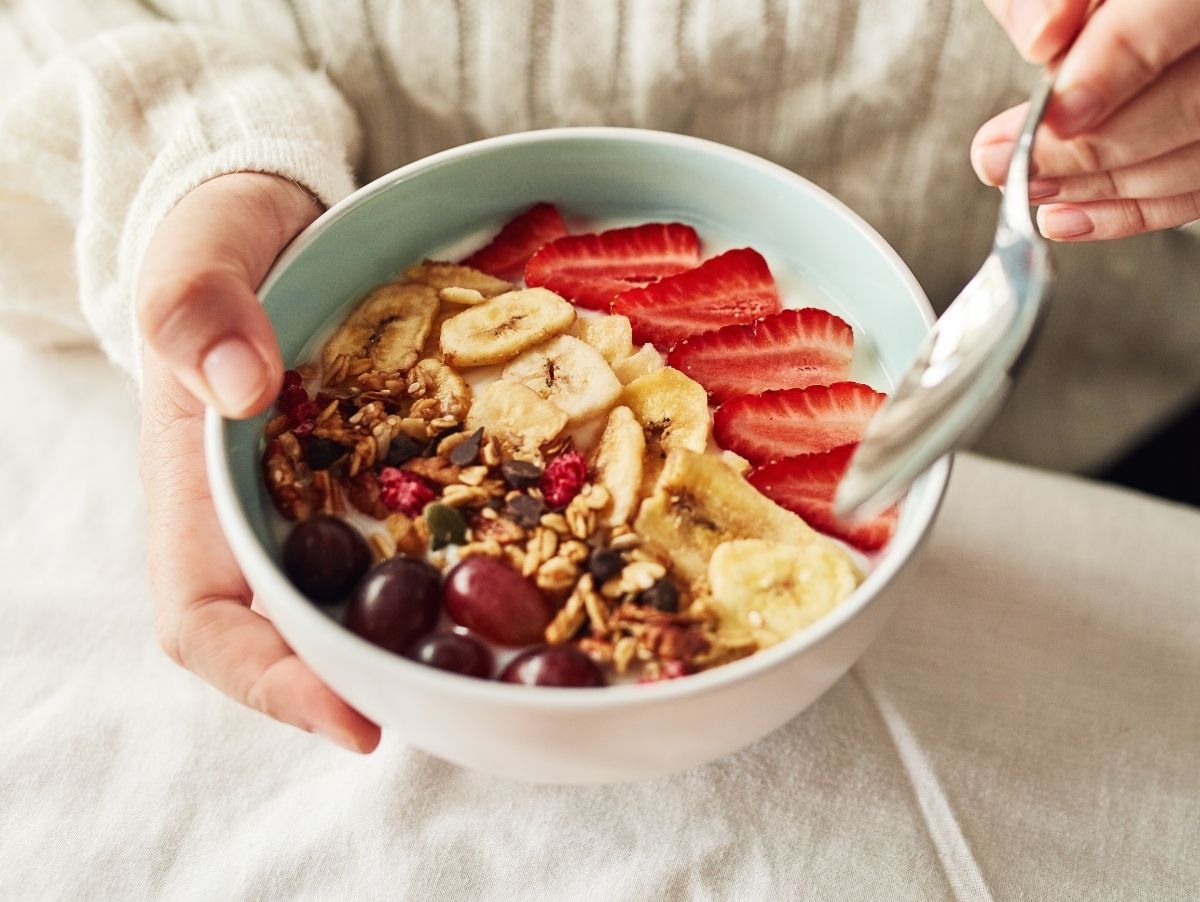
High-fibre foods during pregnancy include fruit, vegetables, legumes, whole grains, nuts, seeds and high-fibre cereals. Vegetables and beans, fruit, and mostly wholegrain or high-fibre grain foods are part of recommended daily pregnancy food groups.
| Food group | Examples | Pregnancy note |
|---|---|---|
| Fruit | Pears, apples, berries, oranges | Easy snacks or breakfast additions |
| Vegetables | Broccoli, carrots, peas, leafy greens | Add to meals across the day |
| Legumes | Lentils, chickpeas, beans | High-fibre and filling |
| Whole grains | Oats, brown rice, wholegrain bread | Useful meal base |
| Nuts and seeds | Chia, flaxseed, almonds, pumpkin seeds | Add gradually |
| High-fibre cereals | Bran-style cereals, high-fibre cereals | Check sugar and label |
| Simple meal additions | Soups, smoothies, bowls | Easy ways to increase intake |
It is recommended including different types of fibre from a variety of plant foods, including fruit, vegetables, legumes and wholegrain foods.
The best high-fibre pregnancy diet is usually varied and gradual. If you are not used to eating many legumes, seeds or whole grains, increase them slowly so your digestive system can adjust.
High-fibre pregnancy diet ideas
High-fibre pregnancy diet ideas do not need to be complicated. Small swaps can make a normal meal more fibre-rich.
Examples include:
- oats with berries and chia seeds
- wholegrain toast with avocado
- lentil or vegetable soup
- brown rice bowls with vegetables and chickpeas
- fruit with yoghurt
- chickpea salad with wholegrain crackers
- smoothies with fruit, oats or seeds
- wholegrain wraps with beans, salad and protein
A practical approach is to add fibre across the day rather than relying on one large high-fibre meal. For example, you might add berries to breakfast, choose wholegrain bread at lunch, include lentils in soup, and snack on fruit or yoghurt with seeds.
How much fibre do you need during pregnancy?
In Australia and New Zealand, Eat for Health lists the Adequate Intake for dietary fibre during pregnancy as 25 g/day for the age of 18 and 28 g/day for ages 19 to 50.
| Age during pregnancy | Dietary fibre AI |
|---|---|
| 18 years | 25 g/day |
| 19 to 30 years | 28 g/day |
| 31 to 50 years | 28 g/day |
Recommended fibre intake is not the same as needing a separate fibre supplement. Your intake may come from high-fibre foods, fortified foods, pregnancy meals and, where suitable, fibre supplements.
If your fibre intake has been low, increasing too quickly may cause bloating, gas or discomfort. Better Health Victoria notes that a high-fibre diet may not prevent or relieve constipation unless enough water is consumed.
Fibre and constipation during pregnancy
Fibre is not a treatment for constipation. It may support bowel regularity as part of a balanced diet. If you have constipation during pregnancy, speak with your health professional.
Fibre may support bowel regularity during pregnancy, but constipation can have many causes. This section explains fibre's role in regularity.
Pregnancy Birth and Baby lists increasing fluids and fibre as first self-care steps for constipation during pregnancy, including wholegrain foods, fruit and vegetables. It also notes that good toilet habits can help.
Dietary fibre can add bulk to stool and may help maintain bowel regularity as part of overall dietary habits. Hydration, regular meals and gentle movement where suitable may also support digestive comfort.
If you are worried about constipation speak with your health professional.
Seek medical advice if constipation is severe, persistent, new or worsening, or occurs with abdominal pain, bleeding, vomiting, fever, dehydration, inability to pass stool or gas, or any symptoms that worry you.
Fibre supplements during pregnancy
A fibre supplement should only be considered during pregnancy after checking product suitability and, where needed, speaking with a health professional or pharmacist. Product suitability depends on the fibre type, serving size, other ingredients, pregnancy suitability, tolerance, label directions, current diet and current supplements.
Prebiotic fibre during pregnancy
Some fibres are prebiotic, meaning they are used by beneficial gut bacteria. Effects vary depending on the fibre type, amount and individual tolerance. Not all fibre is prebiotic.
Chicory root fibre, PHGG, psyllium and other fibre types
Products use different fibre types. Suitability depends on the specific product, amount, other ingredients, label directions and individual tolerance.
Common fibre types include soluble fibre, insoluble fibre, prebiotic fibre, psyllium, partially hydrolysed guar gum (PHGG), chicory root fibre, inulin, FOS and resistant starch.
Soluble fibre dissolves or forms a gel-like texture in water. Insoluble fibre adds bulk and helps move content through the bowel. Prebiotic fibres are fermentable fibres that help feed gut bacteria.
Chicory root fibre is a type of prebiotic fibre used in some foods and supplements. It should be assessed based on the specific product, serving size, tolerance and label directions.
Can you have too much fibre during pregnancy?
More fibre is not always better. A practical approach is to increase fibre gradually, drink enough fluids and watch your comfort. If you have changes in bowel habits, seek health professional advice.
How to add more fibre during pregnancy
The easiest way to add more fibre during pregnancy is to make small changes consistently.
| Tip | Why it helps |
|---|---|
| Increase gradually | May reduce bowel changes |
| Add fibre at breakfast | Helps build a daily habit |
| Include legumes | Easy way to lift fibre intake |
| Choose whole grains | Simple food swap |
| Drink enough fluids | Supports fibre tolerance |
| Watch your comfort | Helps adjust intake to your body |
Simple examples include swapping white bread for wholegrain bread, adding lentils to soup, mixing berries into oats, adding chickpeas to salads, or choosing fruit as a snack.
You do not need to overhaul your whole diet at once. A steady increase is usually easier to tolerate than adding several high-fibre foods.
Frequently asked questions
Is fibre good during pregnancy?+
For most people, dietary fibre from foods is part of a balanced pregnancy diet. Food sources are usually a good first place to start.
What are high-fibre foods during pregnancy?+
High-fibre foods during pregnancy include fruit, vegetables, legumes, oats, wholegrain bread, brown rice, nuts, seeds and high-fibre cereals. Add these gradually if your current fibre intake is low.
How much fibre do you need during pregnancy?+
Eat for Health lists the Adequate Intake for fibre during pregnancy as 25 g/day for the age of 18 and 28 g/day for ages 19 to 50. These values refer to dietary fibre intake, not a supplement dose.
Can fibre help with constipation during pregnancy?+
Fibre may support bowel regularity and can be part of constipation self-care. Pregnancy Birth and Baby lists increasing fluids and fibre as first steps for constipation during pregnancy. If you are worried about constipation discuss this with a health professional.
Are fibre supplements suitable during pregnancy?+
Fibre supplements may be suitable for some people, but pregnancy suitability depends on the fibre type, serving size, ingredients, tolerance and label directions. Speak with your health professional if you are unsure.
What is a pregnancy-suitable fibre supplement?+
Before taking any supplement during pregnancy, check the label and speak with a health professional or pharmacist.
Is prebiotic fibre suitable during pregnancy?+
Prebiotic fibre may be part of foods or supplements, but suitability depends on the product, serving size and tolerance. Prebiotics feed gut microorganisms and are found in high-fibre foods and some supplements.
Is chicory root fibre suitable during pregnancy?+
Chicory root fibre is a type of prebiotic fibre used in some foods and supplements. Pregnancy suitability depends on the specific product, amount, other ingredients, tolerance and label directions.
Can too much fibre cause bowel changes during pregnancy?+
Yes, some people notice symptoms if they increase fibre too quickly. Increase fibre gradually, drink enough fluids and adjust based on comfort.
References and official guidance
This guide was prepared with reference to Australian pregnancy nutrition guidance, dietary fibre intake values, constipation guidance and authoritative gut-health information.
- Eat for Health: Dietary fibre Nutrient Reference Values
- Pregnancy Birth and Baby: Healthy diet during pregnancy
- Pregnancy Birth and Baby: Constipation during pregnancy
- Healthdirect Australia: High-fibre foods and diet
- Healthdirect Australia: Probiotics and prebiotics
- Better Health Victoria: Dietary fibre
This guide contains general information only. It is not a substitute for personalised medical advice. If you are pregnant, always consult a qualified health professional before making changes to your diet or taking any supplement.