Choline in Pregnancy: Roles, Foods, Intake Guidance and Supplements
- Choline is involved in cell structure, nervous system function and early neural development, which is why it is commonly discussed in prenatal nutrition.
- Eat for Health lists an Adequate Intake of 415 mg a day at age 18 and 440 mg a day for ages 19 to 50, referring to total intake, not a supplement dose.
- Choline comes from both animal and plant foods, and many prenatal vitamins contain little or none, so it is worth checking the label.
- This guide is general information only.
On this page ▾
On this page ▾
Choline is an important nutrient in pregnancy. It is involved in cell structure, nervous system function and early neural development, which is why it is commonly discussed as part of prenatal nutrition.
Choline needs should be considered across food intake, current prenatal vitamins or supplements and health professional advice. The significance of choline intake from all sources in pregnancy is a matter for your health professional.
This guide summarises choline's role in pregnancy nutrition, Australian intake guidance, foods that contain choline, label-checking considerations, and when to discuss supplementation with a health professional.
Why is choline important in pregnancy?
Choline is important in pregnancy because it is involved in several body functions that support normal growth and development.
Choline is an essential nutrient. It is needed to make phosphatidylcholine and sphingomyelin, two major phospholipids that are important for cell membranes. Choline is also needed to produce acetylcholine, a neurotransmitter involved in memory, mood, muscle control and nervous system functions.
In pregnancy nutrition, choline is commonly discussed in relation to foetal nervous system development. It is also connected to methylation and one-carbon metabolism (a set of biochemical processes involved in cell growth and repair), which overlap with nutrients such as folate and vitamin B12.
What role does choline play in pregnancy nutrition?
Choline has several roles, but the most practical pregnancy connection is choline's role in prenatal nutrition.
| Choline role | Pregnancy context |
|---|---|
| Cell membrane support | Choline is involved in cell structure |
| Nervous system support | Choline is commonly discussed in relation to nervous system development |
| Brain development | Choline is involved in early brain development |
| Methylation | Choline contributes to one-carbon metabolism (a set of biochemical processes involved in cell growth and repair) |
Choline is one nutrient within a broader pregnancy nutrition routine, rather than a standalone solution.
How much choline do you need during pregnancy?
In Australia and New Zealand, Eat for Health lists the Adequate Intake for choline during pregnancy as 415 mg per day at age 18 and 440 mg per day for ages 19 to 50.
| Age during pregnancy | Choline Adequate Intake |
|---|---|
| 18 years | 415 mg/day |
| 19 to 30 years | 440 mg/day |
| 31 to 50 years | 440 mg/day |
Recommended choline intake is not the same as a personalised supplement dose. Your total intake may include food, prenatal vitamins and any separate choline supplement.
Eat for Health also lists upper intake levels for choline during pregnancy as 3,000 mg per day at age 18 and 3,500 mg per day for ages 19 to 50. It is important to note these upper levels are not targets.
If you are unsure how much choline you get from food or supplements, compare your current routine with the product label and health professional advice.
Choline foods for pregnancy
Choline can come from both animal and plant foods. Eggs contain choline, but they are not the only option.
| Food source | Examples | Pregnancy note |
|---|---|---|
| Eggs | Cooked eggs, egg yolks | Prepare safely during pregnancy |
| Meat and poultry | Beef, chicken, turkey | Choose safely cooked options |
| Fish | Salmon, cod, tuna | Follow pregnancy fish and mercury guidance |
| Dairy | Milk, yoghurt, cheese | Choose pregnancy-suitable dairy |
| Soy and legumes | Soybeans, edamame, beans | Useful plant-based sources |
| Nuts, seeds and grains | Peanuts, seeds, whole grains | Contribute smaller amounts |
Food-first review is useful because some people may already get meaningful choline through eggs, meat, fish or dairy. Others may need to pay closer attention, especially if they avoid eggs or animal foods.
Do eggs contain choline during pregnancy?
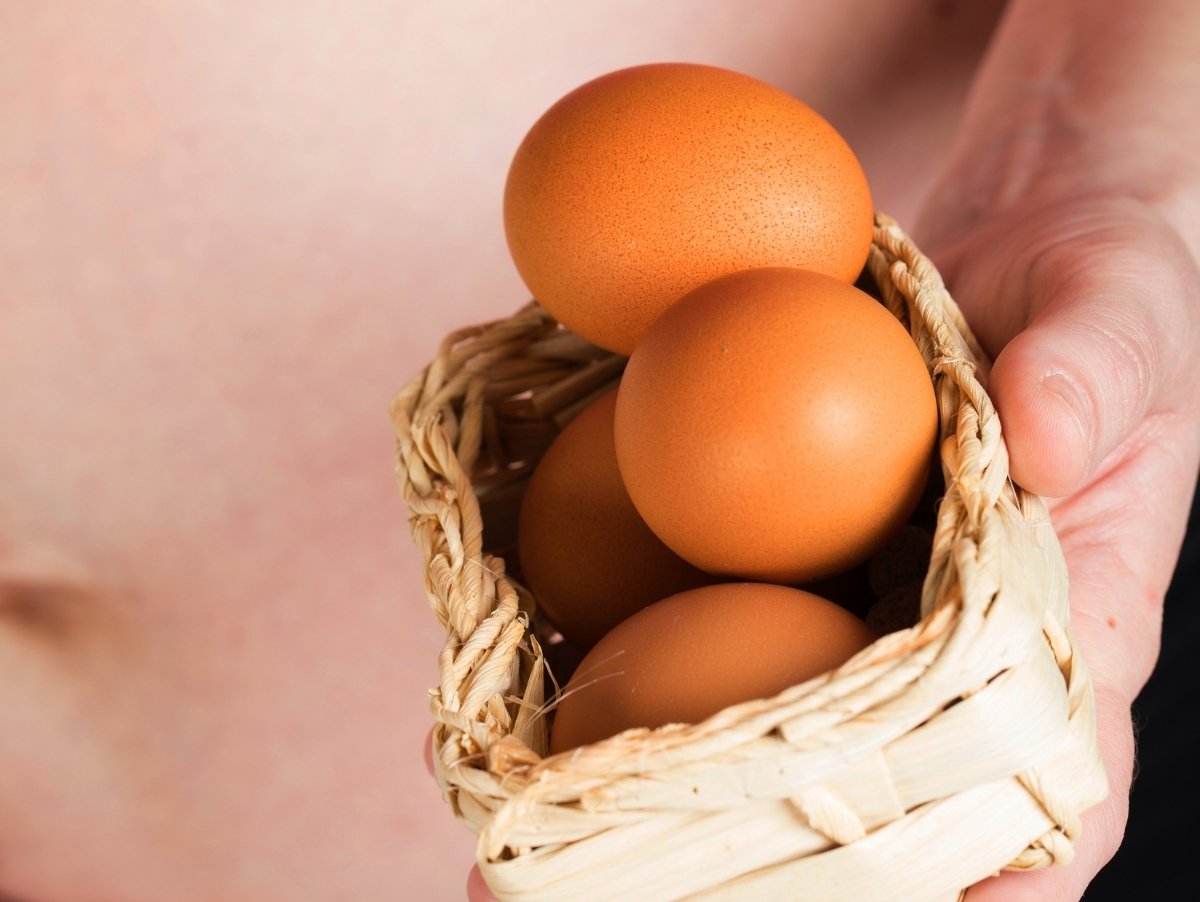
Yes, eggs contain choline, especially the yolk.
One large hard-boiled egg contains 147 mg of choline.
During pregnancy, food safety matters. Pregnancy Birth and Baby advises avoiding raw or undercooked eggs and foods that contain raw or undercooked eggs.
Eggs can help support choline intake, but they are not the only source. Meat, poultry, fish, dairy, soybeans, legumes, nuts, seeds and whole grains can also contribute.
Choline supplements during pregnancy
Choline supplements during pregnancy may be considered when food intake, prenatal vitamin coverage or health professional advice suggests extra support may be useful.
Discuss choline supplementation with a health professional if:
- you eat few foods that contain choline
- you avoid eggs or animal foods
- your prenatal vitamin contains little or no choline
- you are unsure about your total intake
Some prenatal supplements may contain little or no choline, so check the label of any product you are considering.
Choline supplements may contain different forms, including choline bitartrate, phosphatidylcholine or lecithin. Typical choline amounts in dietary supplements range from 10 mg to 250 mg.
A choline supplement should be considered alongside your food intake, current prenatal vitamin and health professional advice.
Choline and DHA during pregnancy
Choline and DHA are separate nutrients, but they are often discussed together in pregnancy nutrition.
DHA is an omega-3 fatty acid that is commonly discussed in the context of pregnancy nutrition. Choline is a different nutrient involved in cell membranes, nervous system function and prenatal development pathways.
Some pregnancy formulas may include DHA, choline or both. Others may use separate products, such as a prenatal multivitamin and a separate DHA supplement.
Check labels carefully so you understand what is included. A product labelled as a prenatal vitamin may not include DHA. A DHA product may not include choline. A combined formula may include both, but amounts can vary.
For more detail on DHA, read DHA and Pregnancy.
Choline in prenatal vitamins
Choline is often discussed with prenatal vitamins because it is relevant to pregnancy nutrition, but formulas vary.
For many people, choline will be assessed through both diet and prenatal vitamin label review, rather than through food or supplements alone.
Some prenatal vitamins include choline. Others contain little or none. This can happen because choline can be bulky in formulas, and brands may prioritise different nutrient combinations.
When comparing prenatal vitamins, check whether choline is included, how much choline is provided per serve, whether DHA is included separately or together, and how the product fits with your current diet.
Can you take too much choline during pregnancy?
Eat for Health lists upper intake levels for choline during pregnancy as 3,000 mg per day at age 18 and 3,500 mg per day for ages 19 to 50. These upper levels are not daily targets.
Check labels carefully if you use multiple supplements, especially if your prenatal vitamin, DHA formula or separate choline product contains added choline.
How to review a pregnancy supplement label for choline
Reviewing a pregnancy supplement label for choline should be based on your full routine, not just one nutrient.
| Consideration | Why it matters |
|---|---|
| Choline amount | Helps compare intake with pregnancy guidance |
| Current prenatal vitamin | May already contain some choline |
| Food intake | Eggs, meat, fish, dairy and legumes may contribute |
| DHA included | Some pregnancy formulas combine DHA and choline |
| Choline form | Products may use different forms |
| Added nutrients | Helps avoid unnecessary overlap |
| Label directions | Shows how the product should be used |
| Health professional advice | Important for pregnancy-specific suitability |
When reviewing a pregnancy supplement label, check how much choline is included, the form used, directions for use, added nutrients, and how the product fits with your overall diet and health professional advice.
Frequently asked questions
Why is choline important in pregnancy?+
Choline is involved in cell membrane structure, nervous system function and early neural development. It is also connected to one-carbon metabolism (a set of biochemical processes involved in cell growth and repair), which overlaps with nutrients such as folate and vitamin B12.
How much choline do you need during pregnancy?+
Eat for Health lists the Adequate Intake for choline during pregnancy as 415 mg per day at age 18 and 440 mg per day for ages 19 to 50. This refers to total intake, not necessarily the amount needed from a supplement.
What foods contain choline for pregnancy?+
Do eggs contain choline during pregnancy?+
Yes. Egg yolks contain choline, and one large hard-boiled egg is listed as providing 147 mg. During pregnancy, avoid raw or undercooked eggs and foods containing raw or undercooked eggs.
Should I take a choline supplement during pregnancy?+
Discuss choline supplementation with a health professional if your food intake is low, your prenatal vitamin contains little or no choline, or you are unsure about your total intake. Check your current supplement label before adding another product.
Is choline included in prenatal vitamins?+
Some prenatal vitamins include choline, but formulas vary. Some prenatal supplements may contain little or no choline, so it is worth checking the label of any product you are considering.
Do I need choline and DHA during pregnancy?+
Choline and DHA are separate nutrients. Both are commonly discussed in pregnancy nutrition contexts, but they play different roles. Some formulas may include one or both, so check labels to see what your current products provide.
What is the best form of choline for pregnancy?+
Choline supplements may use forms such as choline bitartrate, phosphatidylcholine or lecithin. The amount of choline provided, product suitability, label directions and health professional advice matter more than choosing a form.
References and official guidance
This guide was prepared with reference to Australian Nutrient Reference Values, choline function information, food-source guidance, pregnancy food-safety guidance and supplement information.
- Eat for Health: Choline Nutrient Reference Values
- NIH Office of Dietary Supplements: Choline Fact Sheet for Health Professionals
- Pregnancy Birth and Baby: Foods to avoid when pregnant
This guide is general information only and should not replace personalised medical advice. Always read the label and follow directions for use. Supplements should not replace a balanced diet. Speak with your health professional if you are pregnant, trying to conceive, breastfeeding, taking medication, considering multiple supplements, avoiding major food groups, or unsure whether a choline-containing product is suitable for you.